
Cost to Ship a Car Across the Country
The cost to ship a car across the country depends on distance, route demand, vehicle size, trailer type, fuel conditions, timing, and whether you choose open or enclosed auto transport. For most customers, the biggest pricing difference comes down to how far the vehicle is going and how flexible the shipping window is.
Smart Auto Move helps customers compare realistic auto transport prices by coordinating with licensed and insured carriers across major national shipping corridors. Because we operate with strategically placed hubs and service nodes in markets such as Los Angeles, Chicago, Kissimmee, Lakewood, Raleigh, and other high-volume transport regions, we can often help streamline route planning and reduce avoidable delays.
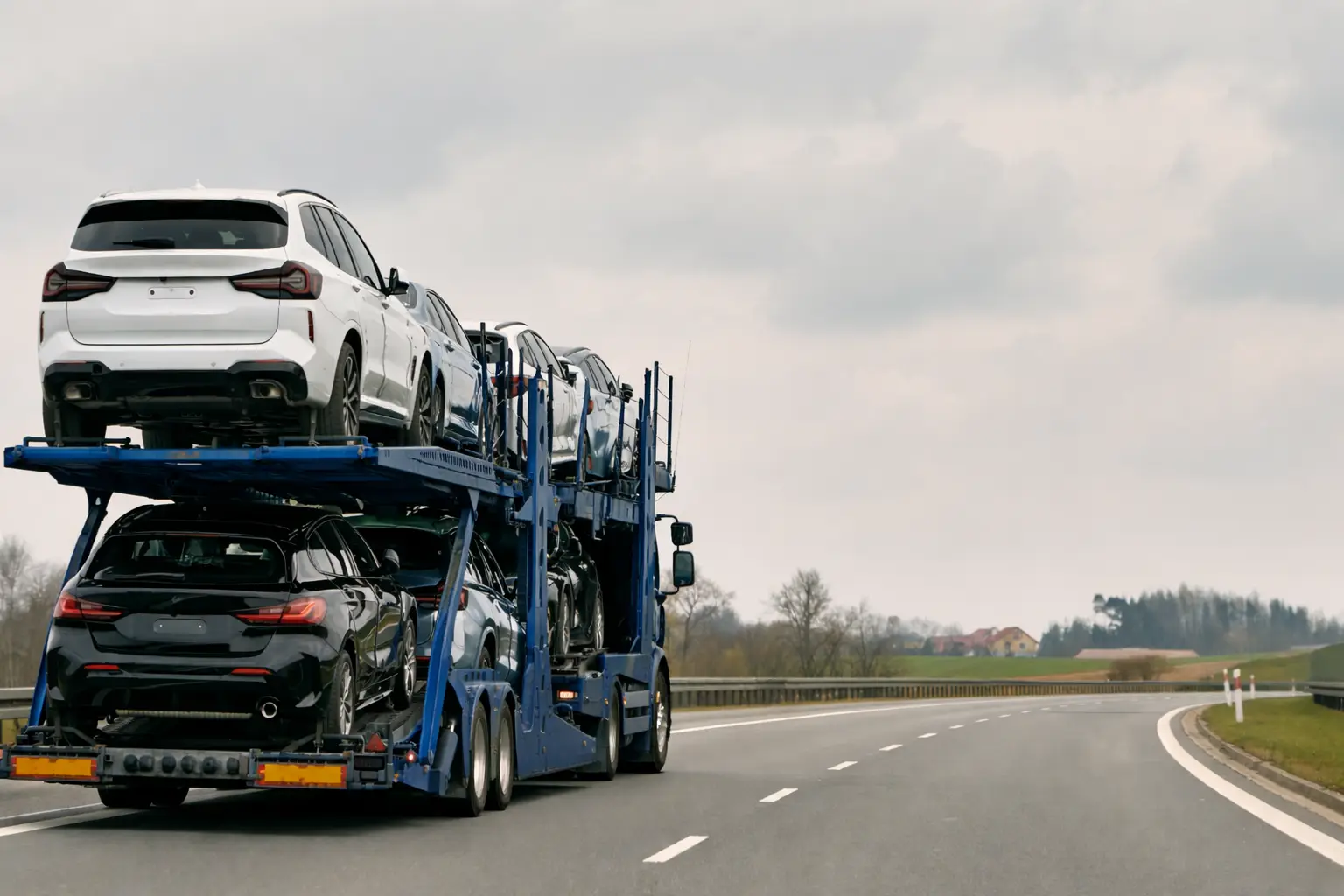
At a Glance: Average Cross-Country Car Shipping Cost
For a standard sedan shipped on an open carrier, cross-country vehicle shipping rates usually fall into a predictable range. The farther the shipment, the lower the cost per mile tends to become, although the total transport price still rises with distance.
Typical 2026 Auto Transport Price Ranges
| Distance | Estimated Price Range | Common Notes |
|---|---|---|
| 0–500 miles | $400 – $750 | Shorter routes often have a higher cost per mile. |
| 500–1,000 miles | $700 – $1,200 | Pricing improves on common interstate routes. |
| 1,000–2,000 miles | $1,000 – $1,600 | Many state-to-state moves fall into this range. |
| 2,000–2,800 miles | $1,200 – $1,900 | Typical true cross-country open transport range. |
| Expedited cross-country | $1,800 – $2,500+ | Rush scheduling can push premium pricing much higher. |
| Enclosed cross-country | $1,300 – $2,500+ | Common for luxury, exotic, classic, and collector vehicles. |
Final rates vary by vehicle dimensions, route density, exact pickup and delivery windows, and market conditions at the time of booking.
What Affects the Cost to Ship a Car Across the Country?
Car shipping cost is rarely based on distance alone. Auto transport carriers price each move according to how easy the vehicle is to load, how desirable the route is, and how much flexibility the customer has.
Distance and Route Popularity
Distance is the foundation of vehicle shipping rates, but route popularity matters just as much. Major metro-to-metro lanes generally attract more carriers, which can improve price competition. Rural pickups, difficult access roads, or low-volume delivery areas can increase total pricing.
Vehicle Size, Weight, and Condition
Larger vehicles such as pickup trucks, SUVs, lifted vehicles, and vans often cost more to transport because they occupy more trailer space and add more weight. Inoperable vehicles can also cost more because they may require special loading equipment.
Open vs Enclosed Auto Transport
Open carrier transport is usually the most economical option and is the standard choice for everyday cars, trucks, and SUVs. Enclosed transport costs more because it offers added protection from road debris and weather, and because enclosed trailers typically carry fewer vehicles.
Pickup Timing and Flexibility
Flexible pickup windows can help reduce your total auto transport price. Customers who need rush service or very narrow pickup dates may need expedited dispatch, which can increase the carrier rate substantially.
Seasonal Demand
Seasonal demand affects nearly every segment of the car shipping market. Snowbird season, summer moves, year-end relocations, and weather disruptions can all affect carrier availability and final transport costs.
How to Secure the Lowest Rate During Busy Shipping Seasons
The cheapest way to ship a car is usually not about choosing the lowest number you see first. It is about giving the carrier market the kind of shipment they want: flexible, easy to load, and placed on a strong route.
- Book early rather than waiting until the last minute.
- Choose open transport for standard daily-driver vehicles.
- Stay flexible with pickup and delivery windows.
- Use major city pickup and drop-off points when possible.
- Avoid peak holiday and extreme weather periods if timing allows.
- Prepare the vehicle so there are no surprises at pickup.
Why Smart Auto Move Can Help Improve Route Efficiency
Smart Auto Move is positioned around a hub-and-node logistics model that helps coordinate vehicle shipments more efficiently across high-volume corridors. Instead of treating every shipment like a one-off move, we leverage established service areas and routing patterns to help connect customers with carriers already moving through in-demand lanes.
That matters because strong route density often helps stabilize vehicle shipping rates. For example, shipments connected to major hubs such as Los Angeles car shipping, Chicago auto transport, Kissimmee car shipping, and Lakewood auto transport can often benefit from stronger carrier activity than lower-volume secondary routes.
Example Cross-Country Shipping Route
A recent cross-country shipment coordinated through Smart Auto Move involved transporting a midsize SUV from Los Angeles, California to Raleigh, North Carolina, a route of roughly 2,500 miles. The shipment moved on an open carrier, and the final rate came in at $1,420 with delivery completed in 7 days.
Real examples like this matter because they show how route density, carrier timing, and vehicle type influence pricing in the real market, not just in generic online estimates.
Open vs Enclosed Auto Transport Pricing
If you are deciding between open and enclosed shipping, the right choice depends on the vehicle and your priorities. Open carriers are the best fit for most everyday vehicles. Enclosed transport is better suited for high-value vehicles that need extra protection.
When Open Transport Makes Sense
Open transport is usually the most budget-friendly option and is widely available on the busiest national routes. It is the standard choice for commuters, family sedans, daily-use SUVs, and most dealership inventory.
When Enclosed Transport Makes Sense
Enclosed transport is commonly chosen for classic cars, exotic vehicles, luxury models, collector vehicles, show cars, and low-clearance performance cars. Although it costs more, many owners view the added protection as worth the premium.
How Long Does Cross-Country Car Shipping Usually Take?
Cross-country auto transport usually takes about 7 to 10 days once the vehicle is picked up, although exact timing depends on weather, route congestion, distance, and dispatch conditions. Faster service may be available at a higher expedited rate.
Frequently Asked Questions About Car Shipping Cost
How much does it cost to ship a car across the country?
Most true cross-country shipments on an open carrier typically land around $1,200 to $1,900 in today’s market, although lower or higher quotes are possible depending on the lane, timing, and vehicle.
What is the cheapest way to ship a car?
The lowest-cost option is usually open carrier transport with flexible pickup dates on a high-volume route between major metro areas.
Why do some quotes vary so much?
Quotes vary because each shipment has a different combination of route demand, timing, vehicle size, and service level. A low initial number may also exclude realistic dispatch conditions.
Can I lower my vehicle shipping rate without sacrificing service?
Yes. Booking early, staying flexible, and shipping on well-traveled routes can often lower your final cost without reducing the quality of the service.
Get a Car Shipping Quote
If you are planning a long-distance move, understanding realistic auto transport prices is the first step toward choosing the right carrier setup. Smart Auto Move helps customers compare shipping options for open, enclosed, and expedited vehicle transport throughout the United States.
Whether you are moving a family car, SUV, truck, luxury vehicle, or seasonal vehicle, getting an accurate quote starts with the route, vehicle details, and timing. The stronger those details are upfront, the more precise your shipping estimate will be.